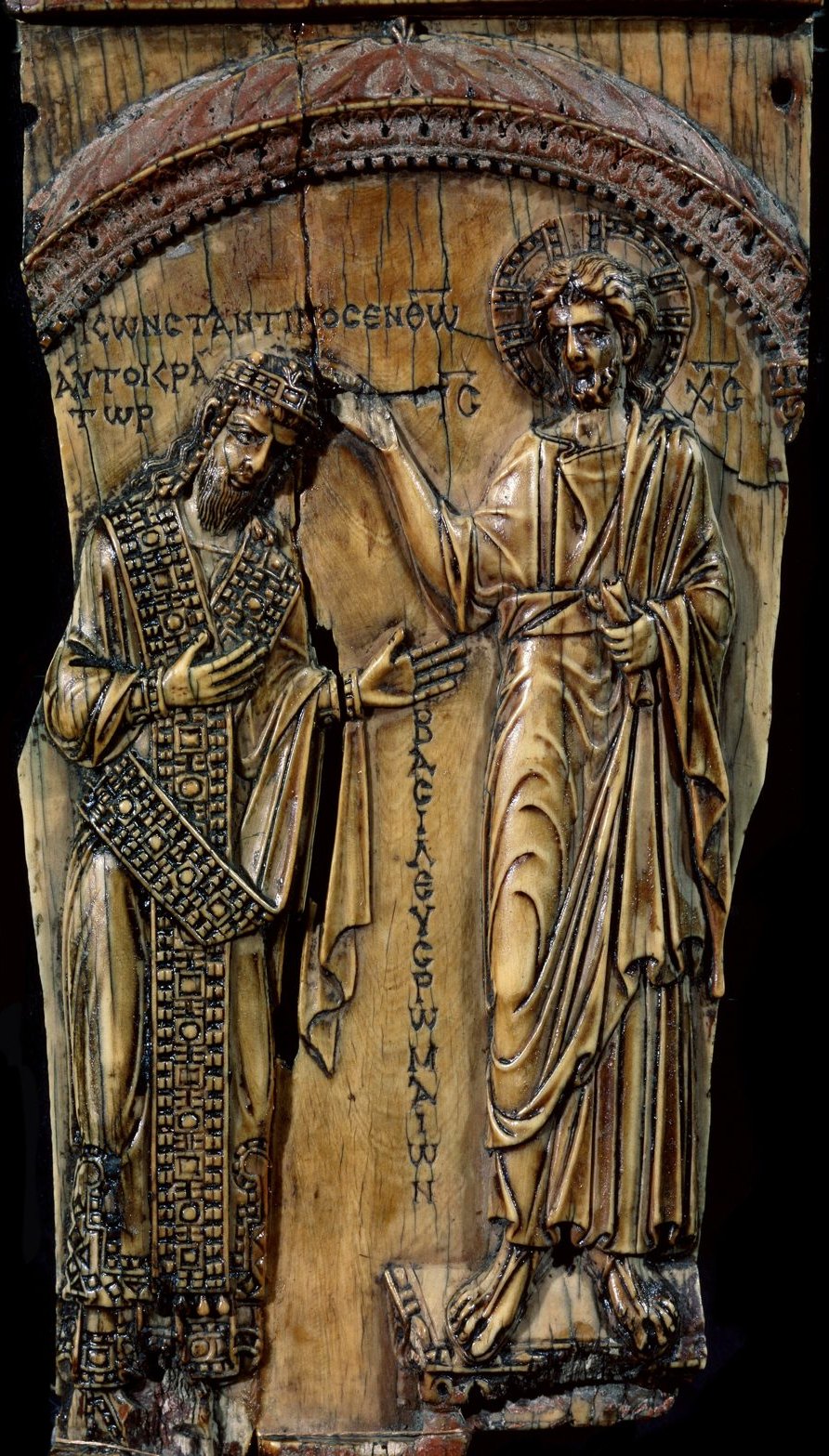
The Secrets We Keep
Hidden Histories of the Byzantine Empire
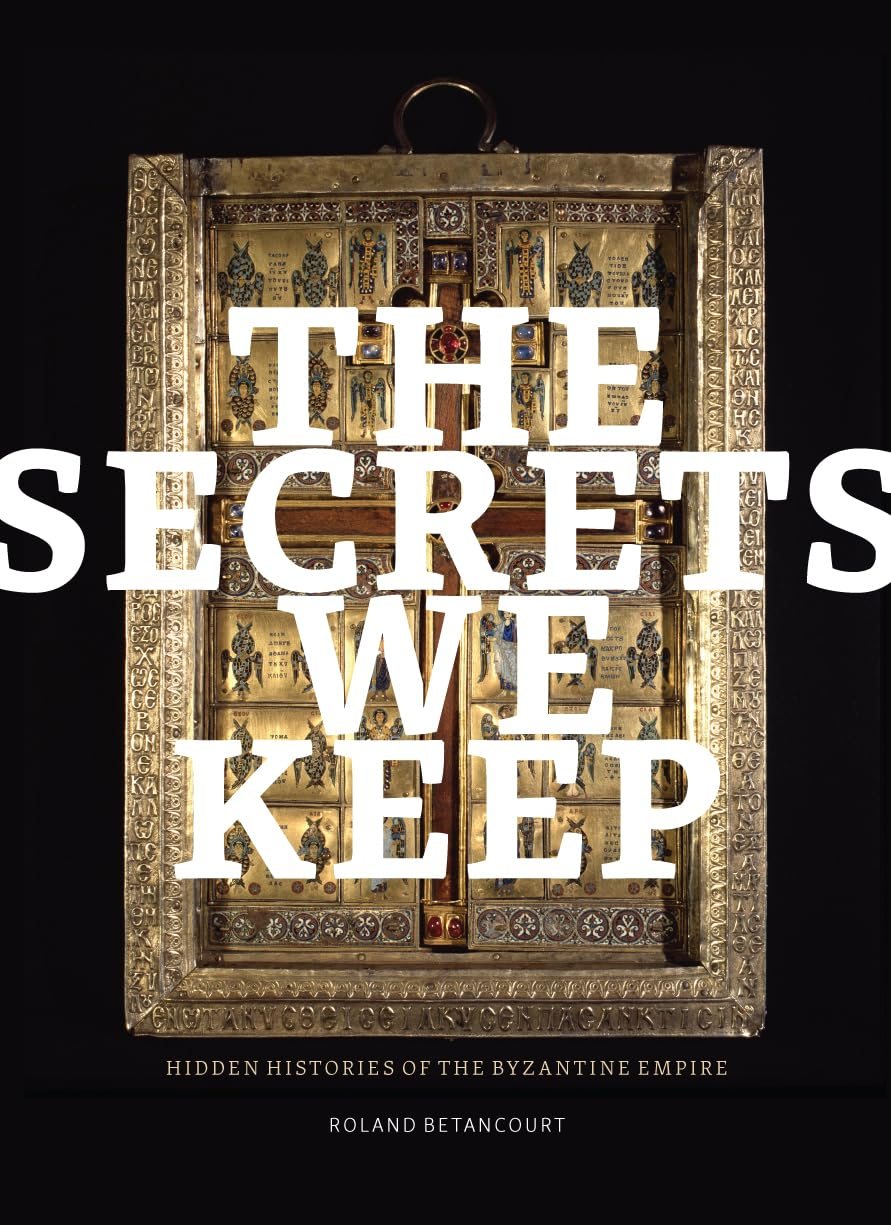
- Getty Research Institute Council Lecture
A short book on secrecy in the Byzantine Empire, from the relics of the imperial palace to the recipe for Greek fire, and on what secrets do to history: how visual evidence conceals as much as it reveals, how to work from fragments, and what the historian owes the people the record left out, queer and trans lives among them. Based on the Getty Research Institute Council Lecture.
From the publisher
An intriguing look at secrecy during the Byzantine Empire and the role of the art historian in seeking truth.
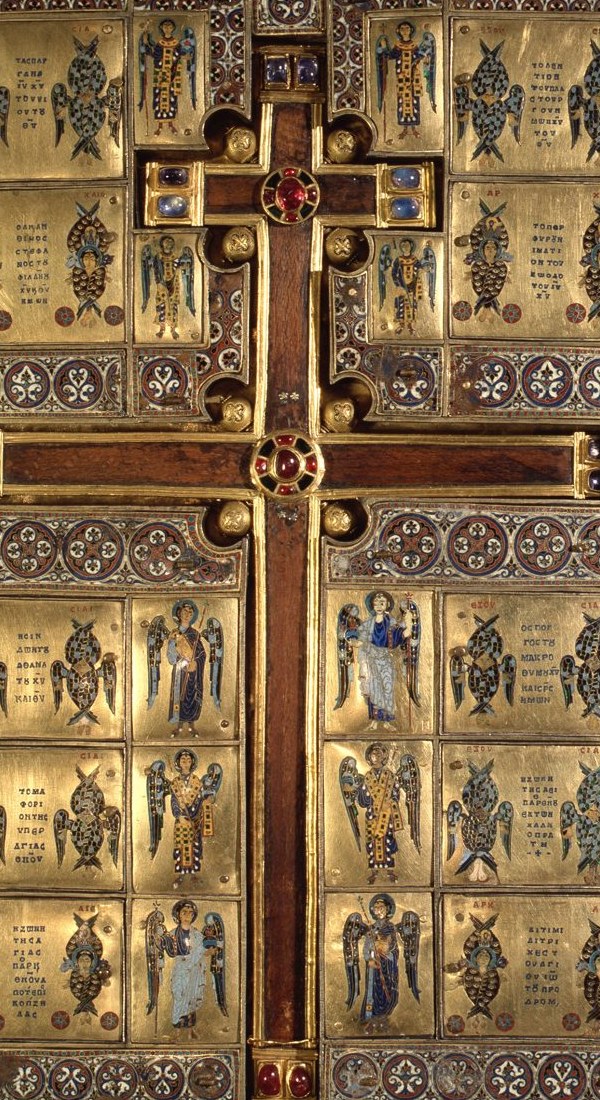
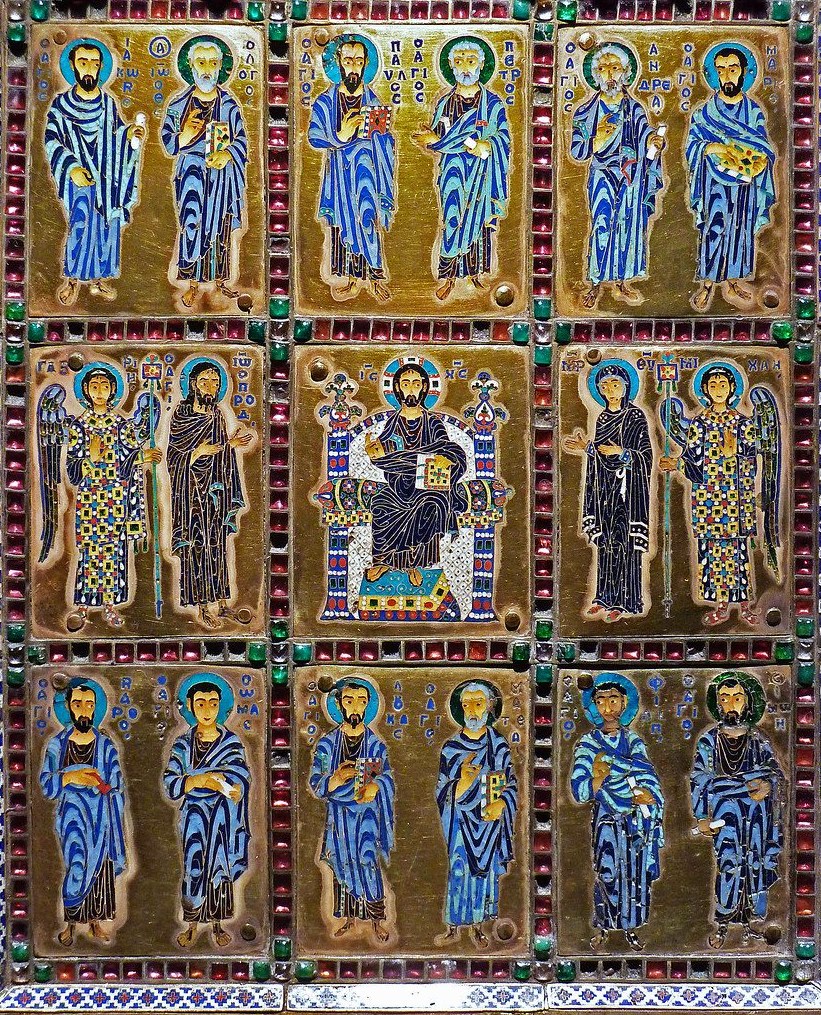
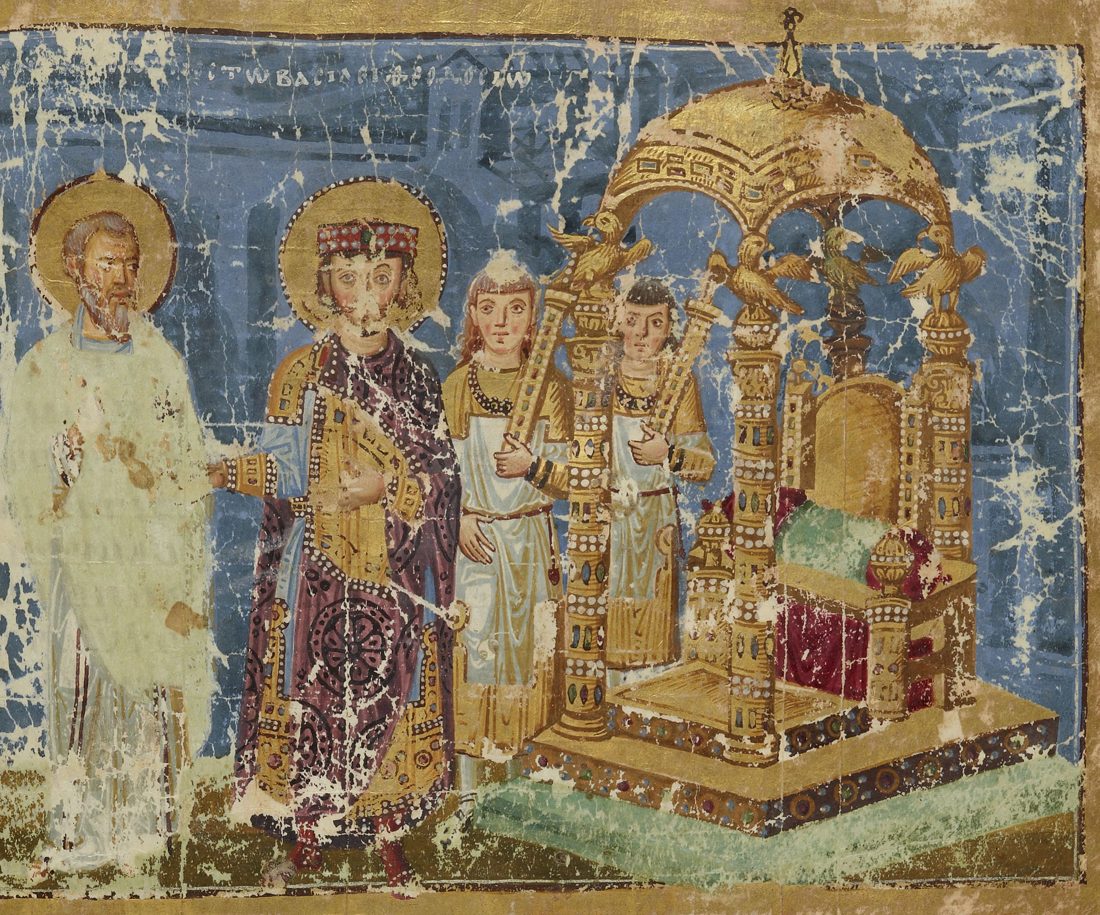
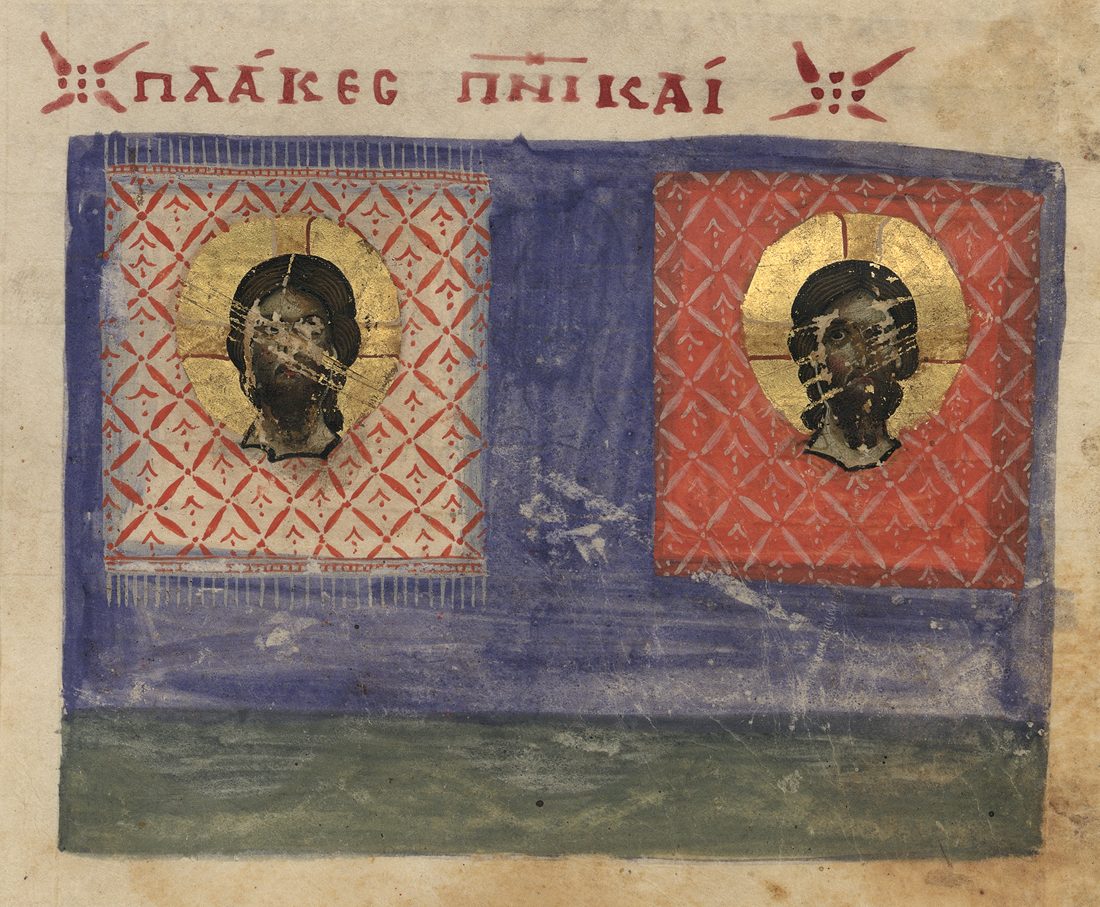
Secrecy has played a role throughout human history and continues to capture the popular imagination. Some of the most seductive aspects of the Byzantine Empire—such as the relics of the imperial palace and the military uses of Greek fire—have been shrouded in mystery for centuries. This book provides a brief history of secrecy in Byzantium and examines the role of the art historian in uncovering the truth, demonstrating how visual evidence can not only reveal new findings but also purposely conceal answers.
Art historians face many challenges in their search for hidden knowledge, including accessing accounts preserved in fragmentary glimpses and reconciling how practices of speculation and reconstruction result in different, and sometimes contradictory, understandings. With pressing urgency, this book asks scholars to consider their role in articulating the stories of marginalized people, particularly for queer and trans history.
At the core of these investigations is the quest to discover how clandestine knowledge was transmitted and how relationships were strengthened by collective secret keeping, as well as how concealment is used as a strategy for exercising power. With insights into the religious, imperial, military, and cultural uses of secrecy, this book offers an intriguing look at the ways secrecy manifested itself during the Byzantine Empire and the implications it has for the issues we face today.
Description courtesy of Getty Publications.
Praise
The allure and intrigue of Byzantium come alive in this accessible work of scholarship.... Betancourt... beautifully captures the exotic allure of Byzantium and the knowingly deployed mechanisms that make the medieval empire a continuing source of fascination, while also drawing apt analogies for more recent events such as the war in Ukraine.
Kirkus ReviewsA stimulating reflection on the ethical and methodological responsibilities of historical inquiry.
Adrien Palladino, caa.reviewsThe Secrets We Keep offers a creative overview at how secrecy shapes our understanding of history and identity.
Anne P. Alwis, International Journal of the Classical TraditionThe visitor to the Getty who buys The Secrets We Keep in the book shop will find it an engaging introduction to a range of medieval Roman ideologies and objects, the latter splendidly illustrated with high-quality color photographs.... These are consequential matters, and Betancourt merits praise for treating them in a format aimed at a wide public.
Benjamin Anderson, The Byzantine ReviewLikevel kan det tilby lesere også i Norge en rekke særdeles tilfredsstillende tolkninger og gode perspektiver på hemmelighetenes makt og dynamikk.
Matthew Kinloch, Arr – Idéhistorisk tidsskrift · In translation: It offers readers, in Norway too, a series of exceptionally satisfying interpretations and fine perspectives on the power and dynamics of secrets.
Reviews
| Venue | Reviewer | Date | Link |
|---|---|---|---|
| Kirkus Reviews | 20 July 2026 (15 September 2026 issue) | Read | |
| caa.reviews | Adrien Palladino | 25 March 2026 | DOI |
| International Journal of the Classical Tradition32:4 (2025): 530–533 | Anne P. Alwis | September 2025 | DOI |
| The Byzantine Review7 (2025): 116–122 | Benjamin Anderson | 2025 | DOI |
| Arr – Idéhistorisk tidsskrift“Bysantinsk hemmelighold møter USA i det tjueførste århundre,” 1/2025: 139–140 (in Norwegian) | Matthew Kinloch | June 2025 | Read |
More books