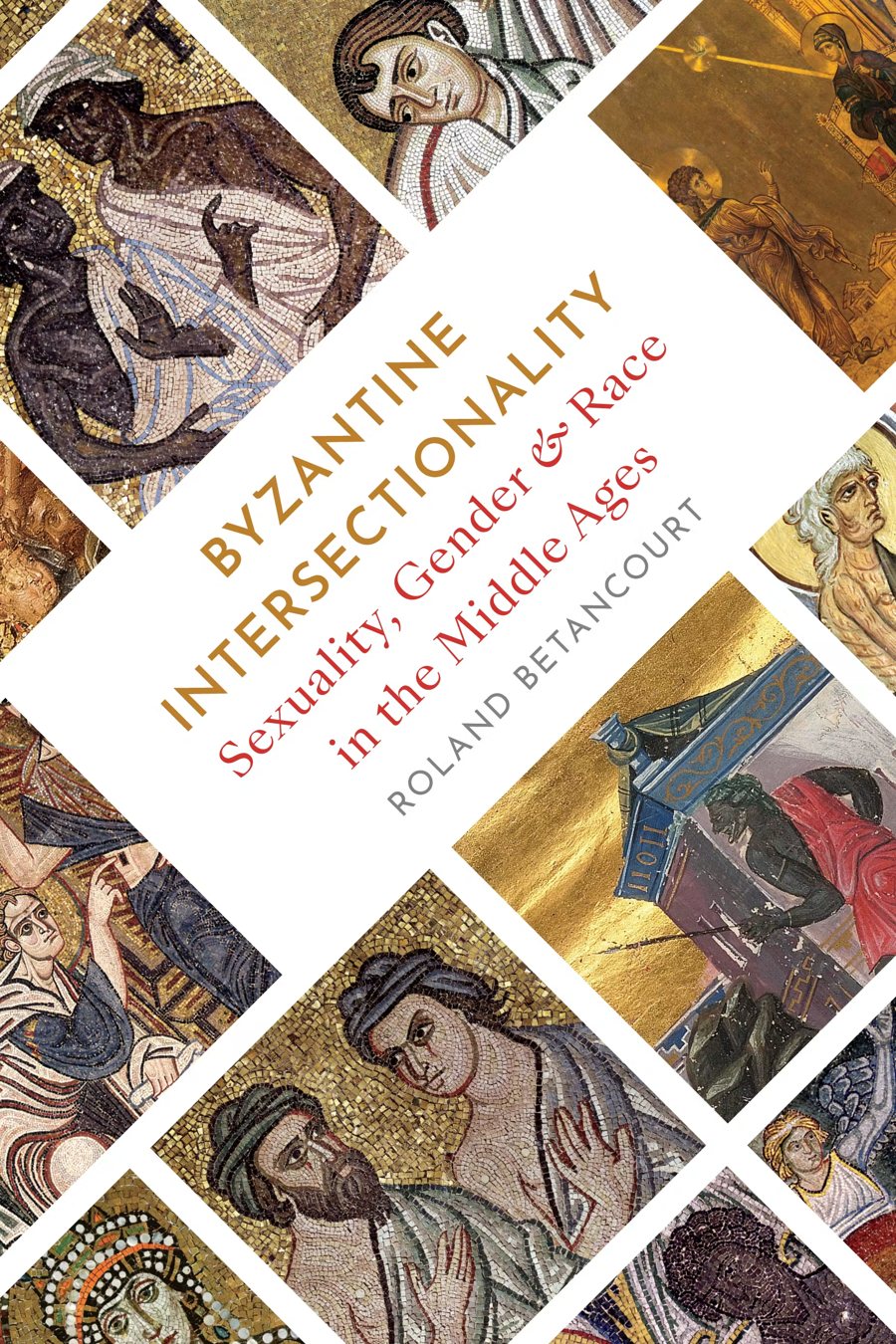
Byzantine Intersectionality
Sexuality, Gender, and Race in the Middle Ages
- Winner, Jerome E. Singerman Prize, Medieval Academy of America
- Finalist, Award for Excellence in the Study of Religion (Historical Studies), American Academy of Religion
Sexuality, gender, and race in the Byzantine Empire, read through its art, literature, theology, law, and medicine: consent in images of the Virgin, the sexual shaming of the empress Theodora, the lives of transgender monks, same-gender desire in depictions of Doubting Thomas, and the figure of the Ethiopian Eunuch. A book about the people who do not appear in the official story, and what the sources say when they are allowed to speak for themselves.
From the publisher
While the term “intersectionality” was coined in 1989, the existence of marginalized identities extends back over millennia. Byzantine Intersectionality reveals the fascinating, little-examined conversations in medieval thought and visual culture around sexual and reproductive consent, bullying and slut-shaming, homosocial and homoerotic relationships, trans and nonbinary gender identities, and the depiction of racialized minorities. Roland Betancourt explores these issues in the context of the Byzantine Empire, using sources from late antiquity and early Christianity up to the early modern period. Highlighting nuanced and strikingly modern approaches by medieval writers, philosophers, theologians, and doctors, Betancourt offers a new history of gender, sexuality, and race.
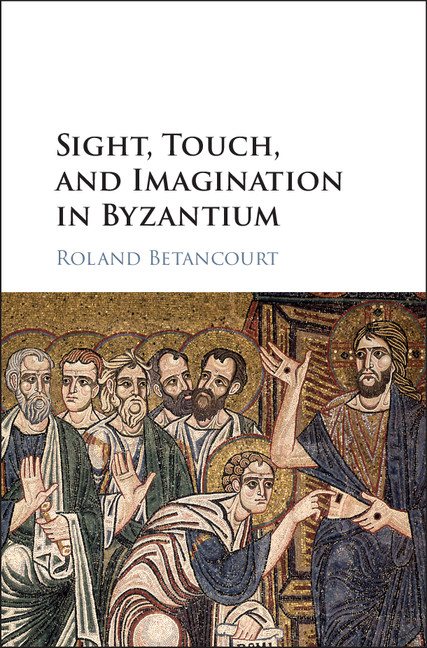
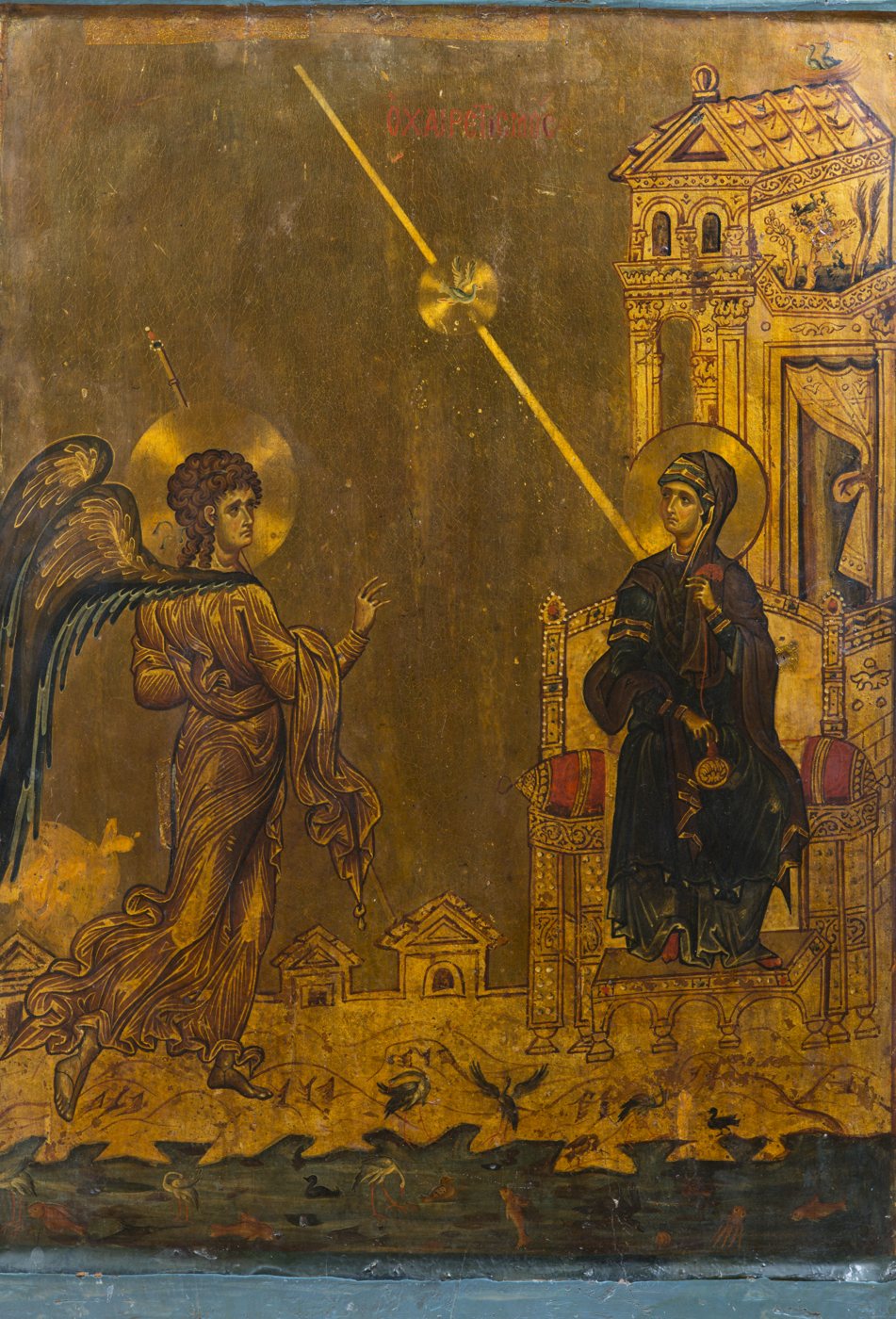
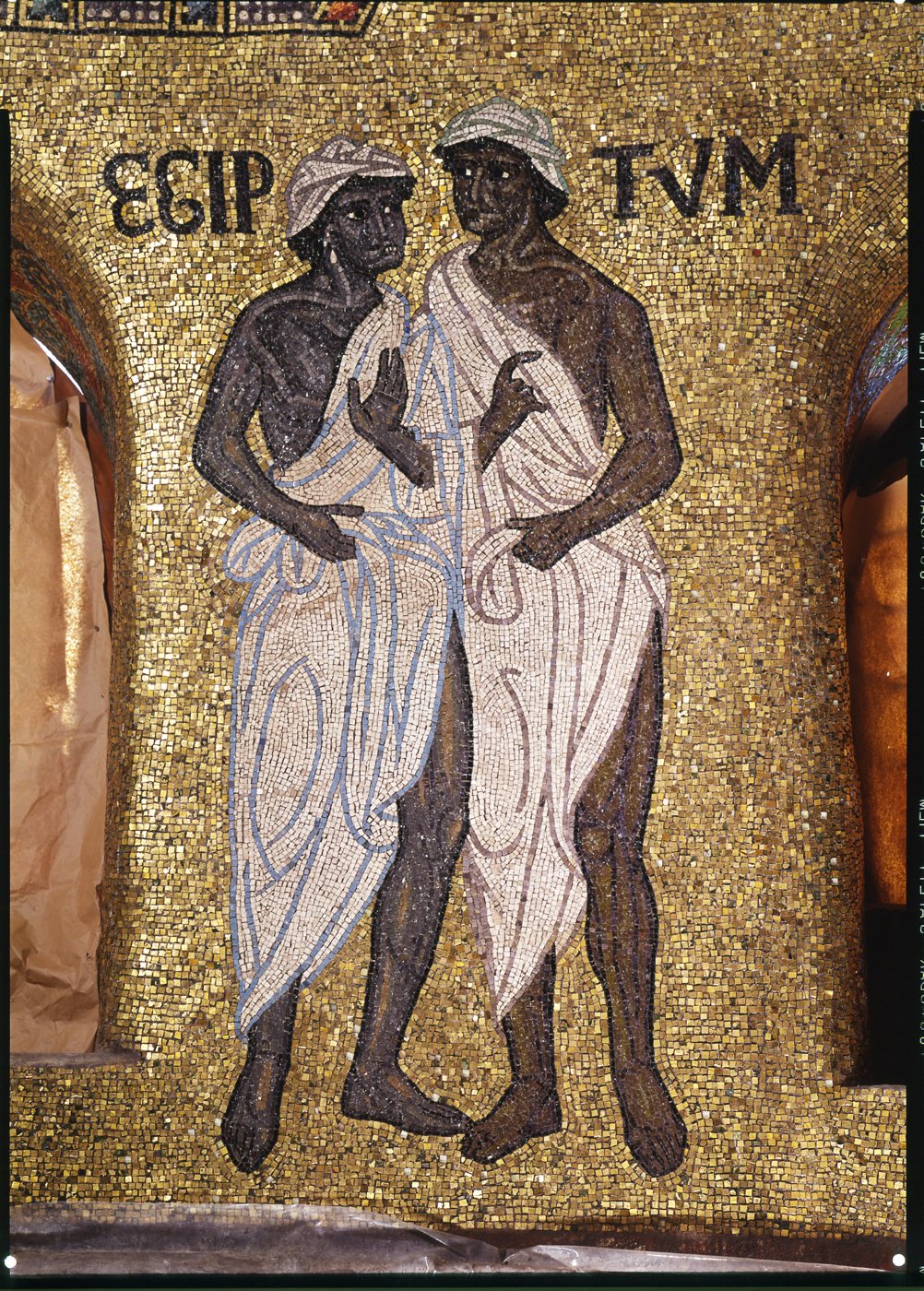
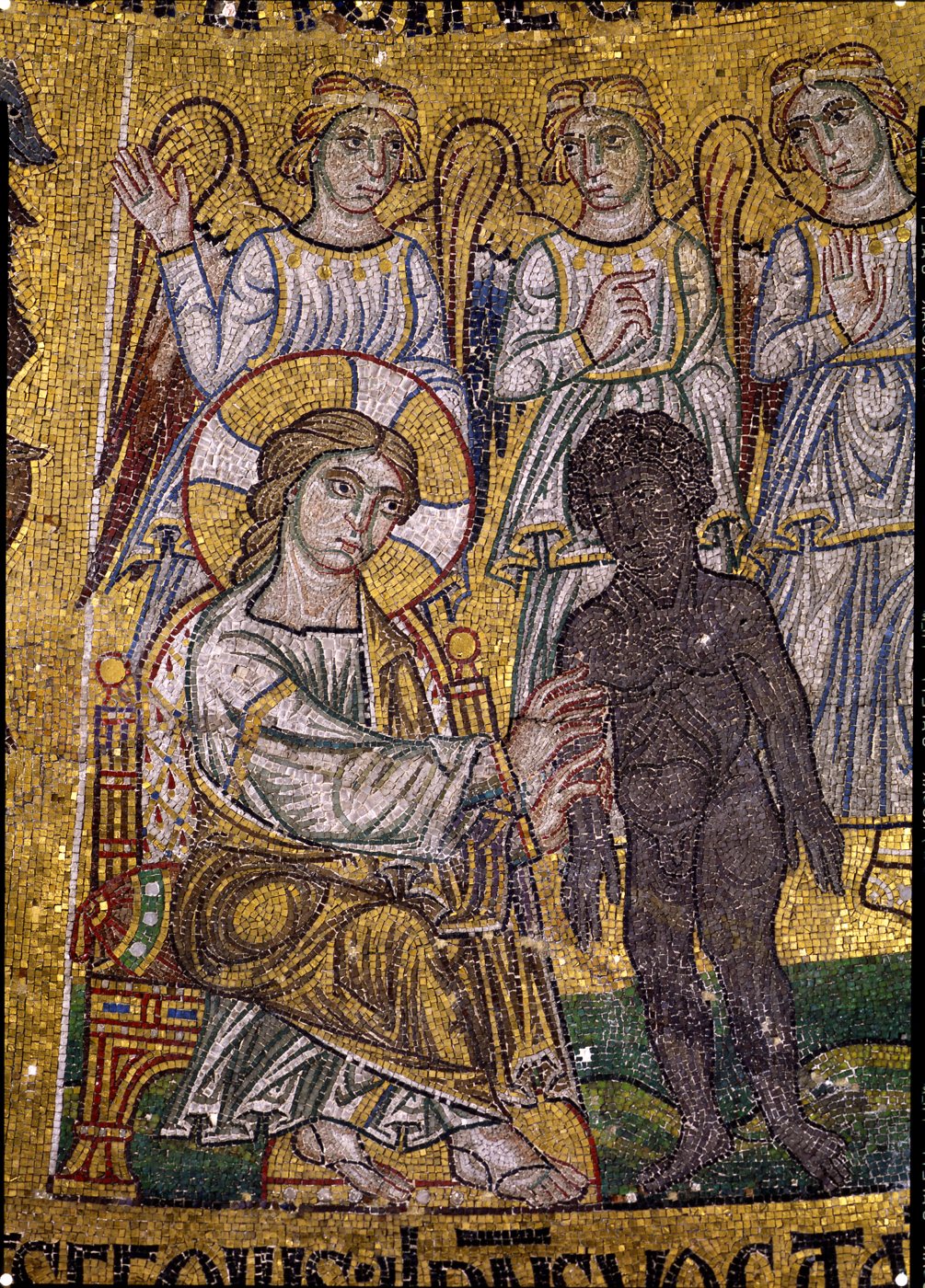
Betancourt weaves together art, literature, and an impressive array of texts to investigate depictions of sexual consent in images of the Virgin Mary, tactics of sexual shaming in the story of Empress Theodora, narratives of transgender monks, portrayals of same-gender desire in images of the Doubting Thomas, and stereotypes of gender and ethnicity in representations of the Ethiopian Eunuch. He also gathers evidence from medical manuals detailing everything from surgical practices for late terminations of pregnancy to save a mother’s life to a host of procedures used to affirm a person’s gender.
Showing how understandings of gender, sexuality, and race have long been enmeshed, Byzantine Intersectionality offers a groundbreaking look at the culture of the medieval world.
Description courtesy of Princeton University Press.
Interviews and conversations
- Sexuality, gender, and race in the Middle AgesIdeas Podcast, episode 5 · Princeton University Press
Praise
[Byzantine Intersectionality] quotes Monica Lewinsky in its epigraph and brings an activist’s zeal to its queer-theory close readings of texts and images from the Eastern Roman Empire between the fourth and fifteenth centuries. By scouring legal, medical, and religious sources, and reading misogynist invectives against the grain, Betancourt builds a fascinating picture of more fluid attitudes and practices around sexuality than have been suggested in the mainstream historical record... The details Betancourt excavates can be as illuminating as they are juicy.
Lidija Haas, Harper’s Magazine[A] provocative study of Byzantine sex and gender... Byzantine Intersectionality is poised to make a difference. Wearing his ideology on his sleeve, Betancourt aims to compel Western medievalists to pay more attention to the East, while persuading conservative colleagues in his own field to broaden their views.
Barbara Newman, London Review of BooksA well-researched, surprisingly relevant history of sexuality, gender, and race in the Middle Ages.... The volume’s academic heft is counterbalanced by Betancourt’s accessible writing style.
Kirkus ReviewsThis book is for the outcast and for those who inhabit the margins of the past and present.... Byzantine Intersectionality provides art historians, archaeologists, and historians with a better theoretical basis for reconstructing the complex lived reality of queerness, sexual violence, consent, and racial profiling. The marginalized biblical figures and saints examined together serve as a new testament to how engrained systematic oppression functions in society.
Sarah E. Bond, HyperallergicByzantine Intersectionality is a compelling and timely intervention with methodological insights for the study of premodern history. Its significance lies in articulating not only the “why” but also advances on the “how” in terms of the unearthing of marginalized historical identities.... Betancourt [offers] a cogent demonstration that historical sources have more to tell us about the evolving landscape of consent, unequal access to reproductive healthcare, the politics of slut-shaming, transgender folk, same-gender desire, and how context affects the shifting intersections of ethnicity and gender.
Niamh Bhalla, Speculum[Byzantine Intersectionality] raises timely and pressing questions about gender, sexuality, marginalized groups, and diversity in the medieval Roman Empire... This indispensable book makes clear that the study of Byzantine art is relevant and pressing today.
Armin Bergmeier, The Art BulletinByzantine art history needs interventions such as this book.... The book delivers many stimulating insights and methodological innovations.
Glenn Peers, caa.reviewsEvery Byzantinist needs to read this book.... A highly stimulating and thought-provoking book. It is also a beautifully produced book.
Shaun Tougher, Medieval EncountersBetancourt... [has produced] a methodologically complex and analytically nuanced study of Roman intersectional identities that adroitly draws on material culture, sacred art, and textual corpora that few scholars can navigate with such sophistication and dexterity.... Byzantine Intersectionality is a great service to scholars sympathetic to matters of social justice in relation to the excavation of the past, but who are unfamiliar with intersectional historiography.... Chapters Three and Five... are the most important contribution to the intersectional treatment of Roman transgender, nonbinary, and racialized identities so far penned by any scholar.
Luis Josué Salés, Journal of Early Christian StudiesA creative and often provocative account of Byzantine history, fully informed by recent trends in progressive scholarship, twinning critical race theory and historical scholarship.
Jules Gleeson, Oxford Art JournalBetancourt makes a timely and substantial intervention in the broader field of medieval studies.... Betancourt’s lively prose renders the book utterly readable, making it an excellent addition to both undergraduate and graduate curricula.
C. Libby, Medieval Feminist ForumKaleidoscopic rather than encyclopedic, field-opening rather than territorial, this important book will be instrumental in teaching and training new generations of scholars to look at their premodern material in dialogue with the present moment.
Karl Whittington, 21: Inquiries into Art, History, and the VisualA must-read for everyone in medieval studies and a must-own for every library.... I highly recommend this book to anyone interested in the premodern world.
Michelle M. Sauer, Manuscript StudiesI learned much from this book and it made me think. I particularly appreciate the hard work he has done with trans.
Mark Masterson, The Byzantine ReviewAn impressive reevaluation of prominent figures and issues marking premodern Greek Orthodoxy.
Ashley Purpura, Journal of Orthodox Christian StudiesA landmark addition to the growing discourse highlighting queer community, people, and lives within the study of the Byzantine millennium and premodern history.
Alex Magnolia, Diogenes[The book’s title] refers to the interaction between gender, sexuality and race, how the intersections between these three separate things were understood in Byzantine society and how these understandings endured or shifted across the period of the Empire’s history from (roughly) the fourth century to the 15th.... The book is rooted in a huge number of meticulously studied late antique and medieval sources. Importantly, Betancourt allows them the freedom to speak for themselves.
Adele Curness, History Today[Byzantine Intersectionality] is an insightful and powerful new addition to not only Medieval Studies, but also History of Art, Critical Race Studies, Gender and Sexuality Studies and Queer Studies.... An exciting and radical new project with an ethical dimension and urgency, this text challenges the ways scholars have viewed Byzantine society and culture.... [This] innovative text provokes from the epigraph by Lewinsky to the final sentence with its ethical imperative for social and racial justice.
Meaghan Allen, LSE Review of BooksBetancourt writes with an authentic engagement in an intersectional analysis of race, sexuality, and gender.... His evidence is pretty compelling.
Vernon Rosario, The Gay & Lesbian ReviewThe author introduces the readers with care into what might seem to be a niche theoretical realm.... It is this tool that allows the author not to banalize or shy away from messy and complex subjectivities.
Milan Vukašinović, Scandinavian Journal of Byzantine and Modern Greek StudiesThe impressive source corpus for this study can be appreciated in spite of one’s ideological position.... Betancourt’s attentiveness to his readers is palpable in the handling of potentially sensitive material.
Alexandra Vukovich, New Critical Approaches to the Byzantine World, TORCH, University of OxfordByzantine Intersectionality by all means and purposes is a significant contribution to the field at large.
Ryan Abramowitz, The Public ScholarA major accomplishment of [Byzantine Intersectionality] is its interdisciplinarity. As opposed to other scholars of the middle ages whose focus is narrowed to a specific discipline, Betancourt’s text covers the large disciplinary gaps between literary studies, art history, and historical studies, to create a wide-ranging view of the period and allowing scholars to create thematic connections previously unknown across the disciplines.... Betancourt’s recalibration of the definitions of sexuality, gender, and race has opened countless doors for other medievalists to analyze literature, historical documents, and art for the sole purpose of expanding known histories of sex, gender, and race.
Morgan Connor, Pennsylvania Literary JournalEn relisant les classiques de leur discipline ou en dévoilant des documents rares, [Betancourt et DeVun] cherchent à délier l’histoire des minorités de l’histoire de la discrimination.... La place qu’elles occupaient dans les sociétés anciennes était plus large et plus complexe qu’on ne le suppose généralement. En prendre pleinement la mesure – et la mettre en perspective critique – ne peut qu’enrichir notre éthique contemporaine.
Clovis Maillet, traverse: Zeitschrift für Geschichte / Revue d’histoire · In translation: Rereading the classics of their discipline, or bringing rare documents to light, [Betancourt and DeVun] seek to untie the history of minorities from the history of discrimination.... The place they held in earlier societies was broader and more complex than is generally supposed. Taking its full measure—and putting it in critical perspective—can only enrich our ethics today.
Endorsements
Byzantine Intersectionality makes claims about historically remote gender-variant subjects and minority sexualities that are bound to be controversial. Whatever readers may think about the historicization of sexuality and gender, however, they are sure to find material here that will challenge preconceived notions about the histories of race, gender, sexuality, and desire.
Jack Halberstam, author of Female MasculinityByzantine Intersectionality takes up the challenge of reading ancient texts—visual and linguistic—through the lens of contemporary methodologies and, even more daringly, current social identities and concepts. Dazzling in its analysis, thoroughly researched, and theoretically illuminating, this book changes not only how we see the Byzantine era, but also the stakes of recent work in queer, transgender, and critical race studies. Byzantine Intersectionality is for anyone who wants to learn how the past makes the present new.
Elizabeth Freeman, author of Time Binds: Queer Temporalities, Queer HistoriesProvocative, imaginative, and original, Byzantine Intersectionality cuts across disciplines with an urgent and political voice. It investigates important topics and will stir up controversy and conversation.
Charles Barber, author of Figure and Likeness: On the Limits of Representation in Byzantine IconoclasmThis radically interdisciplinary tour de force gives extraordinary insight into nonnormative Byzantine subjectivities while breathtakingly detailing how gender, race, and sexuality were understood and deployed. A magnificent book, Byzantine Intersectionality shows us how critical race theory and queer and transgender studies can change our understanding of the past.
Steven Nelson, author of From Cameroon to Paris: Mousgoum Architecture In and Out of AfricaByzantine Intersectionality aims at nothing less than the recuperation of trans identities of the premodern past. Skillfully bridging the chronological gap separating the Byzantine from the modern and beyond, Betancourt exploits the fecundity of anachronism. His engagement with materiality, and his exploration of the philosophical commitments pertaining to the relationship of form and matter, are nuanced and provocative.
Suzanne Conklin Akbari, author of Idols in the East: European Representations of Islam and the Orient, 1100–1450Essential and groundbreaking, Byzantine Intersectionality is a major contribution to the ongoing discussion in critical race studies and gender, sexuality, and transgender studies.
Dorothy Kim, author of The Alt-Medieval: Digital Whiteness and Medieval StudiesRich with startling and even alarming evidence, this book offers a timely and challenging perspective on Byzantine society and culture. Placing late ancient and medieval Greek texts and images into dialogue with some of the most pressing concerns of our own day, including gender, sexuality, race, and identity, Byzantine Intersectionality may be the most significant communication from Byzantine studies to the rest of the humanities this decade.
Derek Krueger, author of Liturgical Subjects: Christian Ritual, Biblical Narrative, and the Formation of the Self in Byzantium
Reviews
| Venue | Reviewer | Date | Link |
|---|---|---|---|
| Harper’s MagazineNew Books column | Lidija Haas | November 2020 | Read |
| London Review of Books“Cartwheels down the aisle,” 46:18 | Barbara Newman | 26 September 2024 | Read |
| Kirkus Reviews | 29 April 2026 | Read | |
| Hyperallergic“Identifying Slut-Shaming, Racism, and Transphobia in the Byzantine World” | Sarah E. Bond | 2 December 2020 | Read |
| Speculum99:4 (2024): 1257–1258; open accepted version at Northeastern University London | Niamh Bhalla | October 2024 | DOI |
| The Art Bulletin104:1 (2022): 175–178 | Armin Bergmeier | 2022 | DOI |
| caa.reviews | Glenn Peers | 22 April 2022 | Read |
| Medieval Encounters28:3 (2022): 300–303 | Shaun Tougher | 2022 | DOI |
| Journal of Early Christian Studies31:2 (2023): 253–255 | Luis Josué Salés | 2023 | DOI |
| Oxford Art Journal44:2 (2021): 335–339 | Jules Gleeson | 2021 | DOI |
| Medieval Feminist Forum58:1 (2022): 155–158 | C. Libby | 2022 | DOI |
| 21: Inquiries into Art, History, and the Visual2 (2022): 541–548 | Karl Whittington | 2022 | Journal page |
| Manuscript Studies7:1 (2022): 220–224 | Michelle M. Sauer | 2022 | DOI |
| The Byzantine Review4 (2022): 91–95 | Mark Masterson | 2022 | DOI |
| Journal of Orthodox Christian Studies4:2 (2021): 273–275 | Ashley Purpura | 2021 | DOI |
| Diogenes14 (2022): 74–76 | Alex Magnolia | 2022 | Print only |
| History Today“The Shocking Truth,” 71:3 | Adele Curness | March 2021 | Read |
| LSE Review of Books | Meaghan Allen | 18 February 2021 | Read |
| The Gay & Lesbian Review“Male Bonding in the Middle Ages,” 28:3 | Vernon Rosario | May–June 2021 | Read |
| Scandinavian Journal of Byzantine and Modern Greek Studies“The Better Story for Romans and Byzantinists?,” 6: 185–208 | Milan Vukašinović | 2021 | Read |
| New Critical Approaches to the Byzantine World, TORCH, University of Oxford“In Conversation with Roland Betancourt” | Alexandra Vukovich | 5 January 2021 | Read |
| The Public Scholar | Ryan Abramowitz | 10 December 2020 | Read |
| Pennsylvania Literary Journal13:1 (2021): 87–90 | Morgan Connor | Spring 2021 | Issue |
| Harvard Theological Review“Byzantine Lives,” review essay, 114:4 (2021): 561–570 | Laura Franco | 2021 | DOI |
| Journal of History57:3 (2022): 501–503 | Mireille J. Pardon | 2022 | DOI |
| Convivium8:2 (2021): 197–201 (in Italian) | Antonino Tranchina | 2021 | DOI |
| Peregrinations: Journal of Medieval Art and Architecture7:4 (2021): 363–374 | Stavroula Constantinou | 2021 | Read |
| traverse: Zeitschrift für Geschichte / Revue d’histoirewith Leah DeVun, *The Shape of Sex*; 2026:1: 212–214 (in French) | Clovis Maillet | 2026 | Print only |
| Choice58:12 (2021): 1216 | J. Werner | 2021 | Print only |